
Tooth Extractions
When a tooth cannot be saved predictably, extraction may be the healthiest option. Our approach focuses on reducing infection, protecting nearby structures, and planning what comes next so that chewing, comfort, and appearance are restored properly.
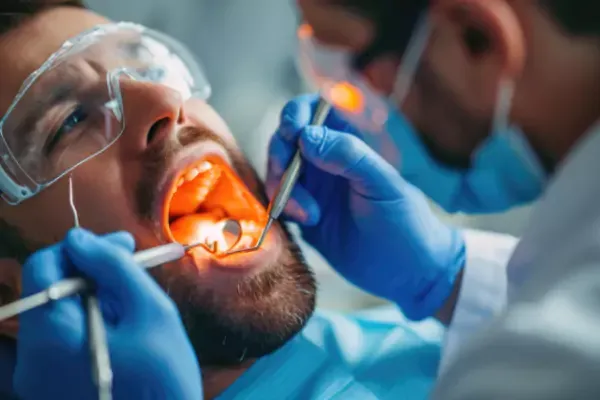
Safe and carefully planned tooth removal for badly damaged, infected, or non-restorable teeth, with clear after-care guidance for comfortable healing.
Detailed care planning for stronger, healthier results
Tooth extraction is recommended only when a tooth is severely decayed, fractured beyond repair, badly infected, loose due to advanced gum disease, or causing crowding or repeated pain. We first evaluate whether the tooth can be restored with a filling, root canal treatment, or crown. If not, extraction helps prevent the spread of infection and relieves ongoing discomfort.
At ComfyDent Oral Care, extractions are planned with attention to both the immediate problem and the long-term result. We explain whether the extraction is simple or surgical, what to expect during healing, and whether replacement options such as implants, bridges, or dentures should be considered. This makes the treatment more organized and less stressful for the patient.
When this treatment is usually recommended
- Persistent tooth pain or repeated infection
- A tooth broken below the gum line
- Mobility caused by bone or gum loss
- Painful chewing with a heavily damaged tooth
Key benefits of Tooth Extractions
Clear information, practical outcomes, and treatment designed around long-term oral health.
Removes the source of pain or infection
Protects nearby teeth and supporting bone from ongoing damage
Allows proper planning for tooth replacement if needed
Can improve comfort, chewing, and oral hygiene access
Prevents repeated emergency flare-ups
Who this treatment is ideal for
- Patients with severely broken or non-restorable teeth
- People with painful dental infections or swelling
- Patients with advanced gum disease affecting tooth stability
- Cases where removal is needed before orthodontic treatment or dentures
Common signs that should be evaluated
- Persistent tooth pain or repeated infection
- A tooth broken below the gum line
- Mobility caused by bone or gum loss
- Painful chewing with a heavily damaged tooth
How Tooth Extractions is typically completed
The exact sequence depends on your diagnosis, but this is the general flow patients can expect.
Examination and X-rays
We assess the tooth shape, root position, surrounding bone, and infection level before confirming the safest extraction method.
Anaesthesia and Removal
The area is numbed thoroughly, then the tooth is gently loosened and removed using a simple or surgical technique depending on the case.
Socket Care
The area is cleaned, and if required, the site is shaped, medicated, or sutured to support proper healing.
Healing and Replacement Planning
You receive after-care instructions and, when appropriate, a discussion about implants, bridges, or dentures to replace the missing tooth.
Simple steps that protect your treatment result
Long-term results depend on the treatment itself, your oral hygiene, and timely follow-up. Clear instructions after care help reduce avoidable complications and protect the investment you make in your smile.
- Bite on gauze as advised and avoid spitting forcefully on the same day.
- Use prescribed medication exactly as directed.
- Avoid smoking, straws, and vigorous rinsing during early healing.
- Eat soft foods and keep the rest of the mouth clean while the socket heals.
What patients usually want to know
The procedure itself is performed under local anaesthesia, so you should mainly feel pressure rather than pain. Mild soreness afterward is expected and is usually manageable with medication.
Initial healing often occurs within one to two weeks, but complete bone healing takes longer. The exact recovery depends on the complexity of the extraction.
Not always, but many should. Missing teeth can affect chewing, bite balance, and bone support. We guide you on the best replacement option for your case.
Need a treatment plan tailored to your smile?
We explain what is urgent, what can wait, and what the smartest next step is for your comfort, oral health, and budget.
Request ConsultationBook a consultation for Tooth Extractions
Get a clear diagnosis, treatment options, and a realistic plan designed around comfort, long-term health, and predictable results.