
Endodontic Treatment
A severely painful or infected tooth does not always need to be removed. In many cases, root canal treatment can clean the tooth from within and allow it to function comfortably again.
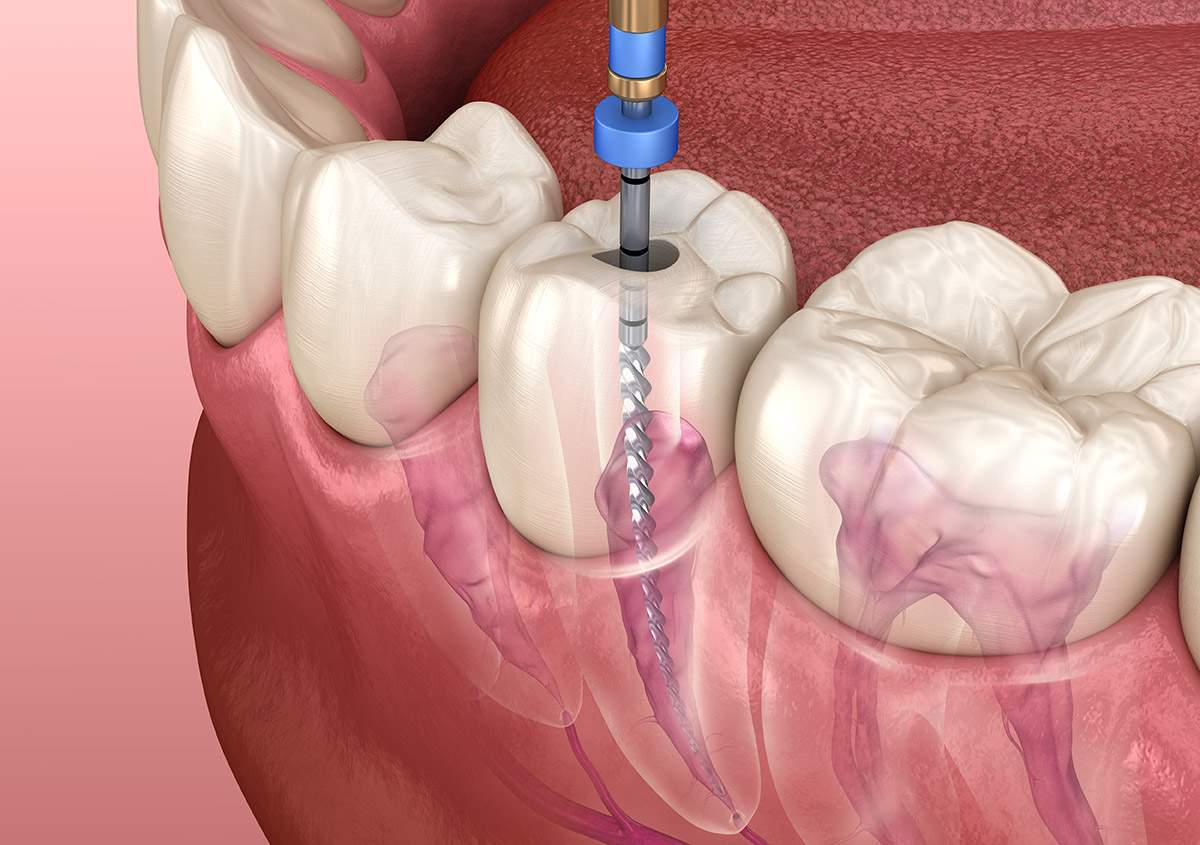
Root canal treatment to remove infection from inside the tooth, relieve pain, and preserve the natural tooth structure whenever possible.
Detailed care planning for stronger, healthier results
Endodontic treatment, commonly called root canal treatment, is used when the pulp inside a tooth becomes inflamed or infected. This may happen because of deep decay, a crack, trauma, or repeated dental work on the same tooth. Left untreated, the infection can spread toward the root tip and surrounding bone, causing swelling, pain, or an abscess.
During treatment, the infected pulp is removed, the canals are cleaned and shaped, and the tooth is sealed to prevent re-entry of bacteria. In many cases, a crown is later recommended to strengthen the tooth and protect it from fracture. Preserving your natural tooth usually helps maintain normal chewing and bite balance better than removal alone.
When this treatment is usually recommended
- Spontaneous or throbbing tooth pain
- Sensitivity that lingers after hot or cold exposure
- Pain on biting or release of pressure
- Swelling, tenderness, or a pimple near the gum
Key benefits of Endodontic Treatment
Clear information, practical outcomes, and treatment designed around long-term oral health.
Relieves pain caused by pulp inflammation or infection
Helps preserve the natural tooth structure
Removes infection and protects nearby bone
Restores chewing function when followed by proper restoration
Avoids the need for extraction in many cases
Who this treatment is ideal for
- Patients with deep decay reaching the tooth nerve
- People with severe toothache or lingering sensitivity
- Teeth with infection visible near the root
- Patients wanting to save a natural tooth instead of extracting it
Common signs that should be evaluated
- Spontaneous or throbbing tooth pain
- Sensitivity that lingers after hot or cold exposure
- Pain on biting or release of pressure
- Swelling, tenderness, or a pimple near the gum
How Endodontic Treatment is typically completed
The exact sequence depends on your diagnosis, but this is the general flow patients can expect.
Diagnosis and Isolation
We confirm the condition with examination and X-rays, then isolate the tooth carefully to keep the treatment field clean.
Cleaning the Canals
The infected pulp is removed and the internal canals are disinfected, shaped, and prepared for sealing.
Canal Sealing
The cleaned canals are sealed to prevent bacteria from recolonizing the inside of the tooth.
Final Restoration
A filling or crown is placed or planned to rebuild strength and protect the tooth from future fracture.
Simple steps that protect your treatment result
Long-term results depend on the treatment itself, your oral hygiene, and timely follow-up. Clear instructions after care help reduce avoidable complications and protect the investment you make in your smile.
- Avoid chewing hard foods on the treated tooth until the final restoration is complete.
- Take prescribed medication if there is post-treatment soreness.
- Return for the recommended crown if advised, especially for back teeth.
- Maintain regular checkups so healing can be reviewed on follow-up X-rays.
What patients usually want to know
Modern root canal treatment is performed under anaesthesia and is generally much more comfortable than the pain caused by the infection itself.
A tooth that has had root canal treatment may be weaker, especially if much of it was already damaged by decay. A crown helps protect it from fracture.
Medicine may temporarily reduce symptoms, but if the pulp is infected, the source usually needs to be cleaned from inside the tooth.
Need a treatment plan tailored to your smile?
We explain what is urgent, what can wait, and what the smartest next step is for your comfort, oral health, and budget.
Request ConsultationBook a consultation for Endodontic Treatment
Get a clear diagnosis, treatment options, and a realistic plan designed around comfort, long-term health, and predictable results.